
What is Ramadan?
Muslims believe the Quran was first revealed to the Prophet Muhammad during Ramadan. Fasting in this month is one of the five pillars of Islam: from dawn until sunset, those who are able go without food and drink, and the month is also a time for prayer, charity and reflection.
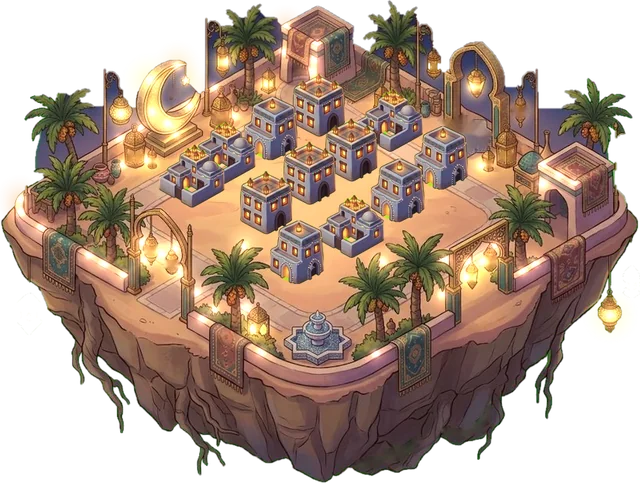
The fanous, a lantern of metal and coloured glass, has become a symbol of Ramadan in Egypt. A popular story links it to the night a Fatimid caliph arrived in Cairo during Ramadan and the people came out with lanterns to greet him.
When is Ramadan? Dates for 2026 and 2027
2026
- 18 February – 19 March 2026Ramadan 2026
- Friday 20 March 2026Eid al-Fitr
2027
- Monday 8 February 2027Expected first day of Ramadanexpected
- Wednesday 10 March 2027Expected Eid al-Fitr (9 or 10 March)expected
The Islamic calendar is lunar, so Ramadan comes about eleven days earlier each year. Each month begins when the new crescent moon is sighted, so the first days of Ramadan and of Eid al-Fitr are confirmed only the evening before, and can differ by a day between countries. For 2027, Ramadan is expected to begin around 8 February, and Eid al-Fitr on 9 or 10 March (Singapore has already set its Eid holiday for 10 March).
How people celebrate
- Suhoor, a meal before dawn, and iftar at sunset, which many open with dates and water.
- Evening prayers at the mosque, and giving to charity, including a gift of food for the poor before Eid.
- Streets and homes decorated with lanterns, crescents and strings of lights.
Good to know
- “Ramadan Mubarak” or “Ramadan Kareem” is a warm greeting for friends who are fasting.
- In many Muslim-majority countries cafés open late, and the streets are liveliest after iftar.
- Eid al-Fitr, “the festival of breaking the fast”, ends the month with prayers, new clothes, sweets and family visits.