What is Durbar Festival?
The parades go back centuries, to the cavalry of the northern emirates, when riders paraded before their emir to show their loyalty and readiness. The word durbar itself comes from the Persian for a royal court, by way of English, and came to be used in Nigeria for these great parades of horsemen.
Today the Sallah Durbar is held during the Eid holidays (Sallah, in Hausa). In Kano, the processions known as Hawan Sallah take the emir from the palace to the prayer ground and through the city over several days.
When is Durbar Festival? Dates for 2026 and 2027
2026
- Friday 20 March 2026Eid al-Fitr, as declared by the Sultan of Sokoto; Durbar processions on the days that followed
2027
- Wednesday 10 March 2027Expected Eid al-Fitr; Durbar processions on it and the following daysexpected
The Durbar follows the Islamic calendar. In Nigeria the Sultan of Sokoto declares the start of Eid once the new moon is sighted, so the date is confirmed only the day before; for 2027 Eid al-Fitr is expected on 9 or 10 March. Each emirate sets its own programme, and processions can be called off for security or other reasons.
How people celebrate
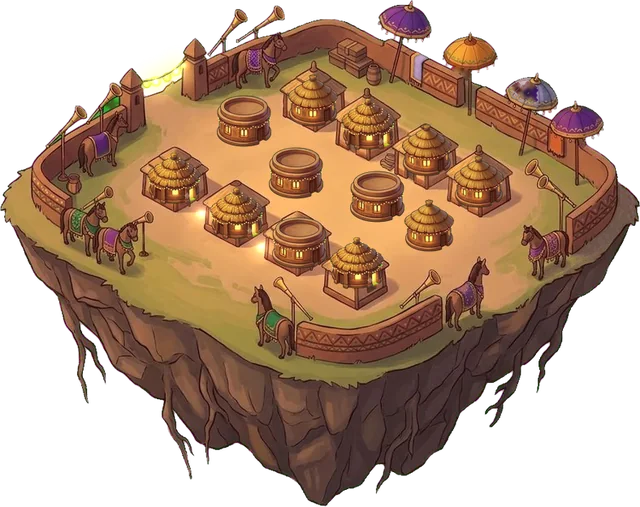
- Horsemen, grouped by town or family and each group in its own colours, charge across the square and pull up in front of the emir in salute.
- Royal trumpeters with the long kakaki trumpets, and drummers.
- The emir rides under a huge embroidered parasol, surrounded by his guards and officials.
Good to know
- Go with a local guide and follow the advice of the emirate and the authorities: crowds are big and arrangements change.
- The processions start early: find your place well before the emir leaves the palace.
- Eid al-Adha brings a second chance to see a Durbar, about seventy days after Eid al-Fitr.