
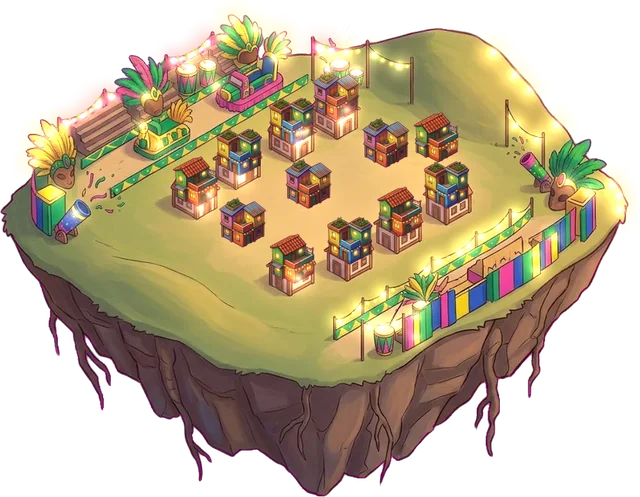
What is Rio Carnival?
Carnival came to Brazil with the Portuguese, and in Rio it grew into something of its own with samba, the music born in the city's Afro-Brazilian neighbourhoods in the early 20th century. The first samba schools were founded there in the late 1920s.
The parades are a competition. Each school presents a theme with its own song, a drum section of hundreds of players, floats and thousands of members in costume, and judges score everything from the rhythm to the costumes. The Sambadrome, designed by Oscar Niemeyer for the parades, opened in 1984.
When is Rio Carnival? Dates for 2026 and 2027
2026
- 15–17 February 2026Special Group parades at the Sambadrome
- Tuesday 17 February 2026Carnival Tuesday
2027
- 5–6 February 2027Série Ouro parades at the Sambadrome
- 7–9 February 2027Special Group parades at the Sambadrome
- Tuesday 9 February 2027Carnival Tuesday (Shrove Tuesday)
- Wednesday 10 February 2027Ash Wednesday, the end of Carnival
Carnival is set by Easter: it ends on Ash Wednesday, 46 days before Easter Sunday. Since 2025 the top samba schools (the Special Group) parade on three nights instead of two. The Champions' Parade of the best schools follows on the Saturday after Carnival, 13 February in 2027.
How people celebrate
- Blocos: free street parties, each with its own band and songs, from small early-morning gatherings to huge crowds such as the Cordão da Bola Preta.
- The samba-school parades, which last through the night at the Sambadrome.
- Costumes for everyone: in the blocos, anything goes.
Good to know
- Sambadrome tickets range from cheap seats in the stands to boxes, and the cheaper sectors sell out early.
- At the blocos, carry little, keep your phone in a front pocket and drink plenty of water: it is high summer.
- Many blocos start in the morning, before the worst of the heat.