
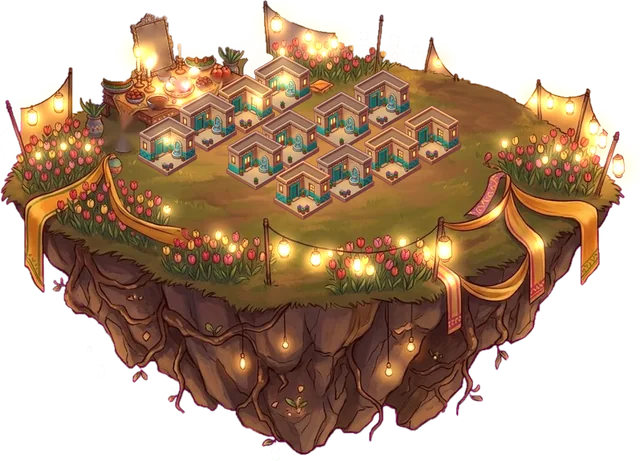
What is Nowruz?
Nowruz is more than 3,000 years old, with its roots in ancient Iran, and today it is celebrated by people of many faiths and cultures. The United Nations General Assembly recognised 21 March as the International Day of Nowruz in 2010, and UNESCO lists Nowruz as intangible cultural heritage.
In Iran the new year begins at the exact moment of the equinox, which families often wait for together around the haft-sin table. The holidays last almost two weeks and end on the thirteenth day with Sizdah Bedar, when everyone heads outdoors for a picnic.
When is Nowruz? Dates for 2026 and 2027
2026
- Friday 20 March 2026Spring equinox (14:46 UTC, 18:16 in Tehran)
- Saturday 21 March 2026Nowruz: first day of the Iranian year 1405
- Thursday 2 April 2026Sizdah Bedar, the thirteenth day
2027
- Saturday 20 March 2027Spring equinox (20:24 UTC, 23:54 in Tehran)
- Sunday 21 March 2027Nowruz: first day of the Iranian year 1406
- Friday 2 April 2027Sizdah Bedar, the thirteenth day
Nowruz is set by the sun: it begins at the March equinox. By the rule of the Iranian calendar, when the equinox comes after noon Tehran time the year's first day is the next day, which is why Nowruz is on 21 March in both 2026 and 2027. Some countries keep 21 March every year.
How people celebrate
- A spring clean of the whole house (khaneh tekani) before the new year.
- The haft-sin table, with seven things whose Persian names begin with “s”, such as sabzeh (sprouts), samanu (wheat pudding), sib (apple), sir (garlic), somagh (sumac), serkeh (vinegar) and senjed (dried oleaster), with a mirror, candles, painted eggs and goldfish.
- Chaharshanbe Suri, on the eve of the last Wednesday of the year, when people jump over small bonfires; then days of visits to family, starting with the elders.
Good to know
- “Nowruz mobarak!” is the greeting for a happy new year.
- Wheat or lentil sprouts take about two weeks to grow, so start them early in March.
- On Sizdah Bedar the sprouts are thrown into running water, to carry away the year's bad luck.