
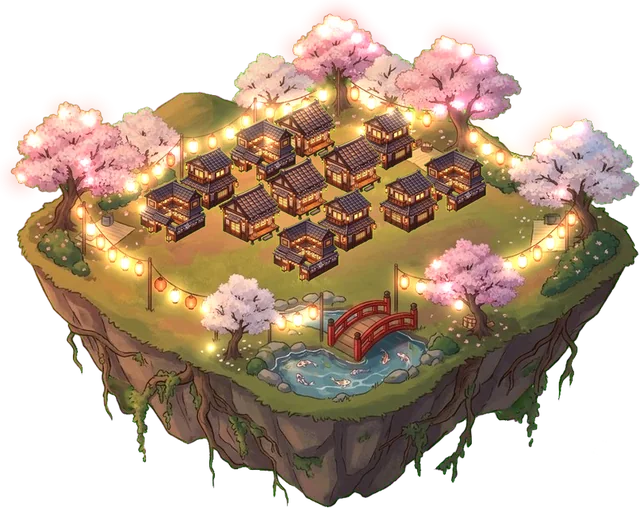
What is Hanami?
Hanami means “flower viewing”. It began more than a thousand years ago with courtiers admiring plum and then cherry blossoms in Kyoto, and spread to everyone in the Edo period, when cherry trees were planted along rivers and in parks.
The blossoms, sakura, last only a short time, and their brief beauty is a cherished image in Japanese poetry and art. Each spring, forecasters follow the “cherry-blossom front” (sakura zensen) as it moves north through the country.
When is Hanami? Dates for 2026 and 2027
2026
- Thursday 19 March 2026Tokyo's first blossoms declared, five days earlier than usual
- Saturday 28 March 2026Tokyo in full bloom
2027
- Wednesday 24 March 2027Tokyo's usual first-bloom date (1991–2020 average)expected
- Wednesday 31 March 2027Tokyo's usual full-bloom dateexpected
Hanami follows the weather, not the calendar. The Japan Meteorological Agency declares flowering when a few blossoms open on a sample tree in each city, and full bloom when most of its buds are open. Bloom forecasts for 2027 usually appear from January; until then the 2027 dates above are Tokyo's long-term averages.
How people celebrate
- Picnics under the trees in parks such as Ueno and Shinjuku Gyoen in Tokyo, or along Kyoto's Philosopher's Path.
- Yozakura: looking at the blossoms at night, lit by lanterns.
- Seasonal sweets such as hanami dango (pink, white and green rice dumplings) and sakura mochi.
Good to know
- Popular spots fill early: groups often send someone ahead in the morning to save space with a picnic sheet.
- Take your rubbish home, and never shake or pull the branches.
- Some parks, such as Shinjuku Gyoen, do not allow alcohol.