What is Diwali?
Diwali, or Deepavali, “row of lamps”, is one of the most important festivals of the Hindu year. Many Hindus remember Lord Rama's return to Ayodhya after his victory over Ravana, when the city was lit with lamps to welcome him; on the main night families also worship Lakshmi, the goddess of prosperity.
The celebrations last five days, from Dhanteras, when families buy something new for the home, to Bhai Dooj, a day for brothers and sisters. Sikhs mark the same days as Bandi Chhor Divas, and for Jains Diwali remembers the nirvana of Mahavira.
When is Diwali? Dates for 2026 and 2027
2026
- Sunday 8 November 2026Diwali (Lakshmi Puja), the main night
2027
- Friday 29 October 2027Diwali (Lakshmi Puja), the main night
Diwali follows the Hindu lunar calendar, so its date moves every year. The dates here are the Diwali holidays in the Indian government's list of central-government holidays. Some regions and communities keep the main night a day earlier or later, and the five days of celebration fall around it.
How people celebrate
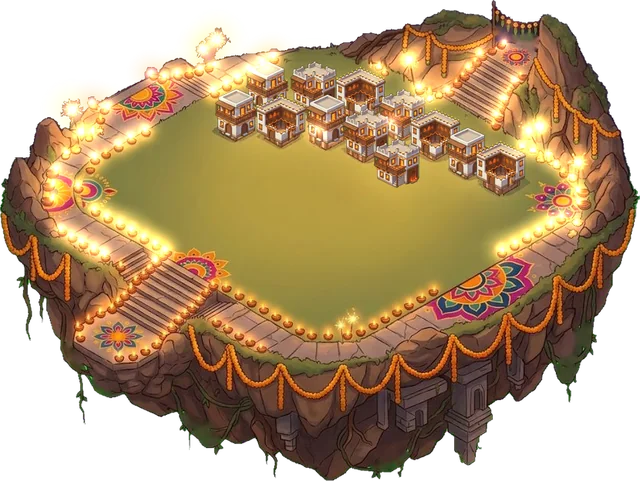
- Lighting diyas (clay oil lamps), candles and strings of lights, and setting off fireworks.
- Drawing rangoli at the entrance: patterns of coloured powder, rice or flower petals that welcome guests and the goddess Lakshmi.
- Cleaning and decorating the home, wearing new clothes, visiting family and sharing sweets such as ladoos and barfi.
Good to know
- Diwali night is the darkest of the month: it falls on the new moon, which is part of why the lamps matter so much.
- Deepavali is also a public holiday in Singapore, Malaysia, Mauritius, Fiji, and Trinidad and Tobago.
- Leicester, in England, holds one of the largest Diwali celebrations outside India.